5 Best Ways to Improve HVAC Air Quality: Expert Guide
HVAC indoor air quality shapes how you feel every day in your Connecticut home. Breathing contaminated air causes sneezing, breathing trouble, and constant fatigue. Most homeowners never link a stuffy nose or headache to the heating and cooling system running quietly in the background. Simple upgrades can make a real difference. This guide covers five proven ways to improve indoor air quality using the HVAC system already working in your home. Each strategy builds on the last, from basic maintenance to whole-home ventilation.
1. Schedule Regular Indoor Air Quality and HVAC System Maintenance
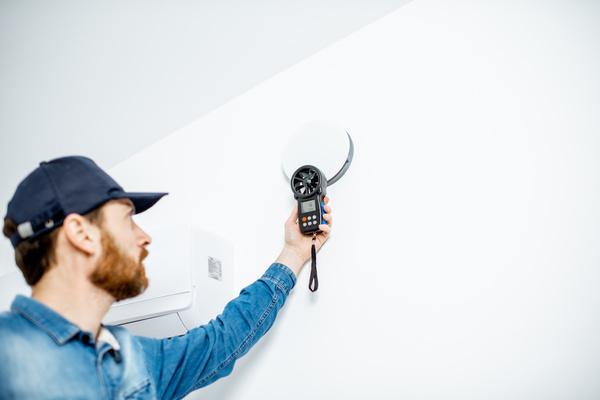
Preventative maintenance is your first line of defense against poor air quality. Clogged filters push dust and allergens into every room. Professional tune-ups stop this problem and keep your Indoor Air Quality system running smoothly for years. During routine service, technicians inspect ductwork, clean coils, and replace worn parts, preventing buildup that compromises performance. Most experts recommend service twice yearly, once before cooling season and once before heating season, catching small problems before they turn into expensive repairs.
2. Upgrade to High-Efficiency Air Filters
Improve indoor air quality. HVAC upgrades start with something simple: the filter. Cheap filters catch the big stuff but miss microscopic particles. MERV 11 or higher filters trap pollen, pet hair, and bacteria, making your home feel noticeably fresher within days. Think about your household before choosing one. Pets shedding everywhere, or a smoker in the house? The EPA recommends at least MERV 13 when your system can handle it. Replace filters every 1 to 2 months, depending on how dirty they get, since clogged filters strain your system and circulate dirty air.
3. Install Advanced Indoor Air Quality HVAC Solutions
Modern purification systems work alongside your HVAC to eliminate pollutants at the source. UV lights installed in ductwork kill mold, bacteria, and viruses as air passes through, and indoor pollution levels can run two to five times higher than outside air. Whole-home purifiers integrate with your existing Ductless HVAC or central system to cover every room and automatically manage humidity, keeping moisture between 30 and 50 percent to prevent mold from spreading.
4. Improve Ventilation for Cleaner Air
Your house needs fresh air to push out what you’ve already breathed, but modern homes seal tight to save energy and trap pollutants inside. Indoor air quality and HVAC balance improve with energy recovery ventilators, which fix this without raising utility bills by capturing heat from outgoing air to warm incoming fresh air. Pair this upgrade with your Heating Installation or Air Conditioning Installation service for the best results, and run kitchen and bathroom fans during cooking or showering to keep things balanced.
5. Consider Professional Assessments for Better Air Quality
Professional testing checks for VOCs, carbon monoxide, radon, and hidden particles to reveal what’s making your air dirty. Results guide targeted fixes, and Hot Water Heaters or Light Commercial HVAC round out a whole-home approach for any property. .
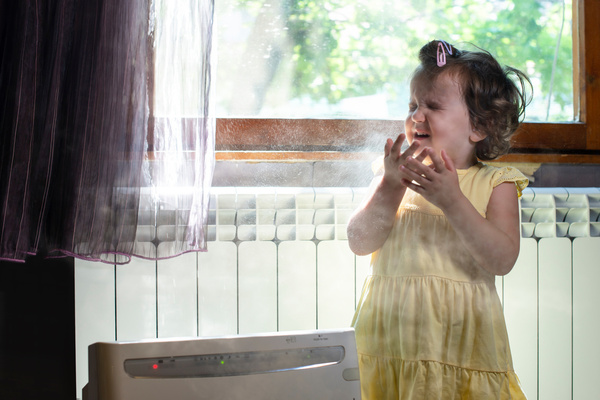
Breathe Easier with Better HVAC Air Quality
HVAC indoor air quality doesn’t require guesswork or complicated DIY projects to improve, and these five strategies work together to create a healthier indoor environment. Home Comfort Heating & Cooling Solutions has spent over 30 years helping Connecticut families breathe easier. Call (203) 935-8656 or visit our contact page to schedule your consultation today.
Frequently Asked Questions
What is HVAC indoor air quality, and why does it matter?
HVAC indoor air quality refers to how clean and healthy the air stays as it moves through your heating and cooling system. Poor indoor air quality and HVAC systems can contribute to allergies, fatigue, and breathing problems. Improving it helps you and your family breathe easier at home.
How often should I schedule HVAC maintenance for better air quality?
Most experts recommend servicing twice a year: once before the cooling season and once before the heating season. Regular maintenance catches mold, leaks, and ventilation issues before they affect your air.
What MERV rating should I choose for my air filter?
The EPA recommends a MERV rating of 13 or higher when your system can handle it. Homes with pets or allergy sufferers benefit most from higher-rated filters.
Can whole-home air purifiers really improve indoor air quality HVAC solutions?
Yes, whole-home purifiers integrate with your existing system to treat air throughout every room. They work well alongside UV lights and humidity control for comprehensive coverage.
Do I need professional testing to know if my air quality is a problem?
Professional testing checks for VOCs, carbon monoxide, radon, and particles that routine tune-ups miss. It’s the most reliable way to find the specific cause of poor air quality in your home.
WHY CHOOSE HOME COMFORT?
- ✓
30 PLUS YEARS EXPERIENCE IN RESIDENTIAL AND SMALL COMMERCIAL SYSTEMS - ✓
RAISED AND WORKED IN FAMILY HVAC BUSINESS - ✓
KNOWLEDGEABLE IN A VARIETY OF SYSTEMS - ✓
EDUCATED IN DUCT DESIGN