HVAC System Smells? What Each Odor Means and How To Prevent It
Unusual HVAC system smells are one of the clearest signs your system needs attention. Your nose is often the first to detect a problem, before any alarm or error code goes off. Different odors point to different issues, and knowing what each one means can save you from a costly repair or a health hazard. This guide breaks down the most common HVAC odors, what causes them, and how to prevent them from recurring.
A Musty or Mold-Like Smell
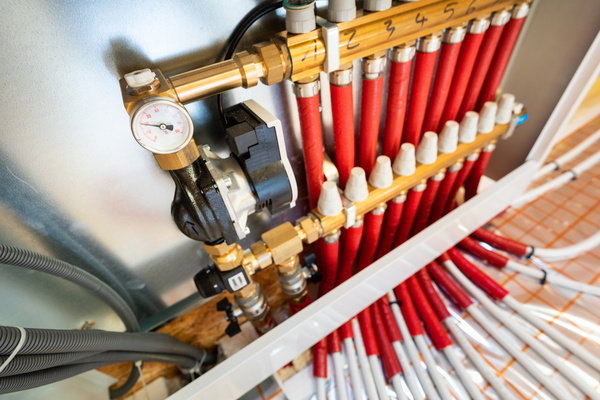
A musty smell from your HVAC vents is usually a sign of mold or mildew growth. Musty smell from HVAC system issues often starts when moisture collects inside the unit, ductwork, or air handler, especially during humid months. Once mold takes hold, it spreads spores directly into your living space. This is a serious indoor air quality concern that should not be ignored.
The most common culprits include a clogged condensate drain line, dirty evaporator coils, or a leaking duct. According to the U.S. Environmental Protection Agency, moisture control is the key to mold control in any building. Keeping your system clean and dry goes a long way toward prevention.
How To Get Musty Smell Out of HVAC System?
Getting the musty smell out of the HVAC system starts with identifying the source. Replace your air filter first. A saturated filter holds moisture and breeds bacteria. Next, check your condensate drain pan for standing water and flush the drain line. Scheduling routine heating repairs and cooling maintenance helps prevent these issues from building up over time.
A Burning Smell
A burning smell is never something to brush off. When you first start your furnace for the season, a brief dusty odor is normal. A burning smell from the HVAC system can also mean dust burning off the heat exchanger. However, if the smell lingers or smells like melting plastic or rubber, turn the system off. That type of odor can signal an electrical issue, a failing motor, or overheating components.
Call for air conditioning service or heating service right away if the burning smell is strong or persistent. An HVAC professional can pinpoint whether the problem is a wiring issue, a clogged filter causing the motor to overheat, or something more serious.
A Skunk-Like or Rotten Egg Smell
A skunk smell in HVAC vents almost always points to a natural gas leak. Gas companies add a sulfur-based odorant to natural gas so leaks can be detected. If you notice a skunk smell in the HVAC system, leave the house immediately and call your gas provider from outside. A rotten egg smell without a gas line may indicate a dead animal in the ductwork. Both situations require a professional inspection from a ductless HVAC or full-system technician.
A Chemical or Sweet Smell
A sweet or chemical odor can indicate a refrigerant leak. If you notice this alongside reduced cooling performance, a certified technician needs to locate and recharge the system. Some homeowners also notice an unfamiliar odor during the first few uses after heating system installation, which is typically harmless and disappears within a few hours.
Don’t Ignore What Your System Is Telling You
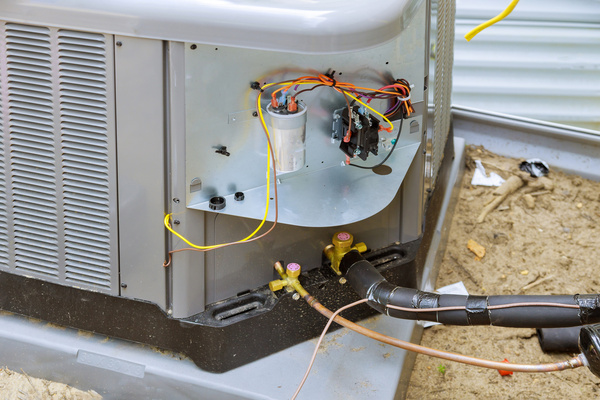
HVAC system smells are your first line of warning, and acting early keeps small problems from becoming expensive ones. Whether it’s a lingering musty odor or a sharp chemical scent, the right technician will track it down fast. Reach out to Home Comfort Heating & Cooling Solutions or call (203) 349-2331 to schedule a service visit. You can also connect with our team through our contact page.
WHY CHOOSE HOME COMFORT?
- ✓
30 PLUS YEARS EXPERIENCE IN RESIDENTIAL AND SMALL COMMERCIAL SYSTEMS - ✓
RAISED AND WORKED IN FAMILY HVAC BUSINESS - ✓
KNOWLEDGEABLE IN A VARIETY OF SYSTEMS - ✓
EDUCATED IN DUCT DESIGN